
Embracing Intersectionality: Deepening Relationships in Families of Wealth
A Reflection on Dr. Paul Hokemeyer’s Conversation
In families of wealth and family office systems, conversations often center on financial strategy: portfolio design, estate planning, governance structures, and succession planning.
But beneath every strategy lies something more complex: identity.
Each family member carries multiple identities at once: founder, successor, steward, parent, advisor, beneficiary. These identities intersect with culture, generation, gender, achievement, and privilege. When they go unexamined, they quietly shape how wealth is experienced and how relationships evolve across generations.
In a recent Family Office Podcast episode, Dr. Paul Hokemeyer explores how the concept of intersectionality can help ultra-high-net-worth (UHNW) families deepen relationships and strengthen long-term stewardship.
What Intersectionality Means in Families of Wealth
Intersectionality is the understanding that no single identity defines a person. Instead, multiple identities overlap and interact to shape lived experience.
In families of wealth, these intersections may include:
- Generational role (founder vs. next generation)
- Professional identity versus family identity
- Cultural or gender-based expectations
- Financial privilege alongside personal pressure
- Public success and private vulnerability
For ultra-high-net-worth families, these intersecting identities often carry heightened expectations around legacy, performance, and responsibility.
When families do not acknowledge these layered dynamics, wealth and mental health challenges can surface through conflict, disengagement, or fractured communication. When they are addressed directly, empathy increases and relationships strengthen.
Key takeaways from the conversation
1. Wealth Does Not Eliminate Complexity, It Amplifies It
Financial success can intensify identity pressures rather than simplify them. Generational wealth adds visibility, responsibility, and expectation that must be navigated thoughtfully.
2. Unspoken Identity Tensions Create Relational Friction
In family office environments, silence around privilege, power, or belonging can undermine trust. Structured conversations allow family members to express how wealth intersects with their lived experience.
3. Wealth and Mental Health Are Interconnected
Mental and relational wellbeing should not sit outside financial planning. Sustainable wealth stewardship depends on emotional clarity and relational stability.
4. Advisors Must Broaden Their Lens
Family office advisors and wealth managers must recognize that financial decisions operate inside complex emotional systems. Technical excellence must be paired with relational awareness.
5. Empathy Strengthens Generational Stewardship
Understanding the intersecting identities within a family system fosters compassion, improves communication, and supports healthier generational wealth transitions.
Listen to the Full Episode
Dr. Paul Hokemeyer’s episode, Embracing Intersectionality to Deepen Relationships with Family Members, offers practical insights for wealth owners, family office leaders, and advisors seeking to better integrate identity, wealth, and mental health.
For families stewarding significant resources, this conversation provides a valuable framework for strengthening generational relationships and long-term legacy.
Download Guide
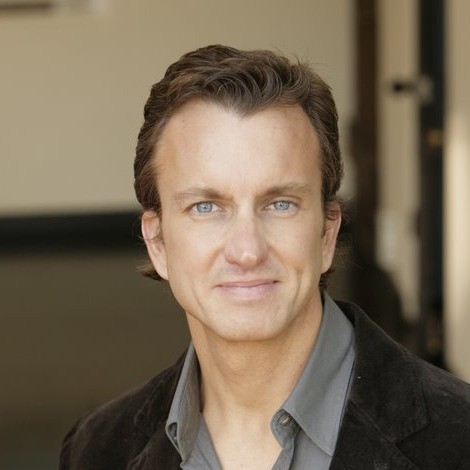
Paul L. Hokemeyer JD, PhD
Paul Hokemeyer, J.D., Ph.D. is the founding principal of Drayson Mews, an international behavioural health firm based in London and author of FragilePower: Why Having Everything Is Never Enough, (Hazelden, 2019), the seminal resource for UHNW and high-performance individuals looking for clinically excellent mental & relational health services. A licensed Marriage and Family Therapist, he is a graduate of the Global Leaders in Health Care program at Harvard Medical School and studied the use of digital technologies to enhance the delivery of mental health and addiction treatment services at the Yale School of Management. Dr. Paul serves as a clinical consultant to the London based Ispahani Advisory Limited and is a Clinical Fellow at the American Association of Marriage and Family Therapists. In addition to his legal and mental health background, Dr. Paul has extensive experience in the realm of philanthropy through his work as a trustee of a family foundation, and the Palm Springs Art Museum, one of the world's leading institutions for midcentury design and art.
Subscribe

Get Paid to Go to School: If Only it Were That Easy
Millions of kids growing up around the U.S. dream of becoming college athletes. For most, this is merely a dream. I was fortunate enough to be able to live out this dream. Two of my favorite things in the world are sports and numbers so I found some statistics about college athletics provided by the National Collegiate Athletic Association (NCAA).
Read Now >>
Scaling Your Business: Building What’s Next With Purpose and Precision
There comes a moment in every business where the way forward demands more than grit—it demands structure. The early traction is there. The offering is working. But now the stakes are growing, and so are the questions.How do you scale without losing control?How do you grow your team without diluting your culture?How do you evolve your role as a founder or leader—and still stay close to the purpose that started it all?
Read Now >>
Legacy Planning vs. Estate Planning
For entrepreneurs, few decisions carry more weight than how wealth is managed and passed on. Yet in conversations about planning, two terms are often confused: estate planning and legacy planning. They are related, but they are not the same. Estate planning is about distribution. Legacy planning is about direction. Understanding the distinction matters. Estate planning answers what happens to my wealth? Legacy planning asks the deeper question: what happens because of my wealth?
Read Now >>
