
What Is Your Body Trying to Tell You
In our productivity-obsessed world, health is often the thing we promise ourselves we’ll tend to later. After this season, the next milestone, or retirement — once we’ve achieved a certain level of success and can finally exhale.
Many of us genuinely believe we’ll slow down then. We’ll listen to our bodies then. We’ll take care of ourselves once everything else is handled.
But here’s the quiet truth: the quality of our health shapes the quality of everything else. Our ability to think clearly, regulate our emotions, move through the world with energy, and feel a basic sense of wellbeing is what allows any form of wealth to be experienced, not just accumulated. When mental, emotional, and physical health are supported, life tends to feel more spacious, grounded, and genuinely satisfying — even amid the intensity of modern life.
When the Body Speaks Before the Mind Understands
I didn’t come to this understanding through wisdom or foresight. I came to it through years of ignoring my body.
The first time I passed out, I was seven years old. One minute I was standing in a shoe store at the mall; the next I was on the floor, confused and frightened, unable to see out of my left eye. We went to the doctor, and he couldn’t find anything wrong. Nothing to worry about, he said. So I did what most of us are taught to do — I ignored it and went on with my life.
And I continued to pass out for the next twenty-plus years.
Learning the Language of the Body
Looking back now, I can see that my body was speaking to me in the only language it had available at the time. I simply didn’t know how to interpret it. I didn’t understand then that bodies speak in sensations, symptoms, and subtle cues. That the nervous system communicates long before the mind has words, and that what looks like “nothing” on a medical chart can still be meaningful information.
The question What is your body trying to tell you? has quietly shaped everything since — my healing, my work, and the way I now move through the world.
The Cost of Powering Through
Like many people, I grew up in a culture that rewarded pushing, producing, and powering through. I learned early that achievement and output were praised, while rest, sensitivity, and listening inward were not. Over time, I absorbed the belief that my body was something to manage or override instead of something to partner with.
That belief didn’t just live in my head. It lived in my nervous system, my muscles, my hormones. And eventually, it caught up with me in the form of anxiety, migraines, exhaustion, and a life that looked successful on the outside but felt increasingly unsustainable on the inside.
Why Listening Is Not Optional
What I’ve learned since — both personally and through decades of working with others — is this: listening to the body is not a luxury. It’s a non-negotiable.
We spend significant money maintaining our cars, our homes, and our belongings. Yet many of us hesitate to invest time, energy, or resources into our health — even though our bodies are the vehicles we will inhabit for the entirety of our lives.
Healthspan, Not Just Lifespan
To be fair, healthcare in the United States is expensive and complex, and that reality matters. At the same time, what we are seeing more clearly than ever is a widening gap between lifespan and healthspan. We are living longer, but many of those extra years are spent managing chronic illness, pain, fatigue, and cognitive decline.
It raises an honest question: what is all that money and success worth if we are too depleted or unwell to enjoy it?
How Health Is Actually Built
Healthspan is not built through extreme routines or quick fixes. It’s built through attention and small, consistent moments of listening. Through noticing hunger before blood sugar crashes, stress before burnout, and exhaustion before the body forces a reckoning.
For many people, the biggest obstacle to listening is simply not knowing how — especially in a world that keeps us constantly stimulated.
Creating Space to Hear the Signal
One of the most important places to start is by intentionally unplugging from the machine. Creating small pockets of quiet where the body can actually be heard.
This might look like sitting in silence for a few minutes and noticing your breath. It might be walking in nature without checking your phone. It might be placing your hand on your body and asking, What do you need right now? without rushing to answer.
The body speaks at a slower, denser frequency than the mind or emotions. Its messages don’t shout; they hum. In order to hear them, we have to step out of our addiction to speed, stimulation, and quick fixes. We have to slow down long enough for the signal to come through.
An Invitation to Listen
Start small. A few minutes is enough. Over time, your capacity to listen grows, and the conversation becomes clearer.
As we look ahead to 2026, my invitation is simple: don’t wait until later to listen. Don’t treat your health as something you’ll circle back to once everything else is handled.
Your body is speaking every day. The question is whether we’re willing to slow down enough to hear it.
Because conscious wealth, in its truest form, begins here — in the lived experience of being well enough, present enough, and connected enough to actually enjoy the life you’re building.
For those curious to go deeper into the practice of listening and embodiment, Natalie’s work offers a thoughtful place to begin. Learn more at her website.
Download Guide
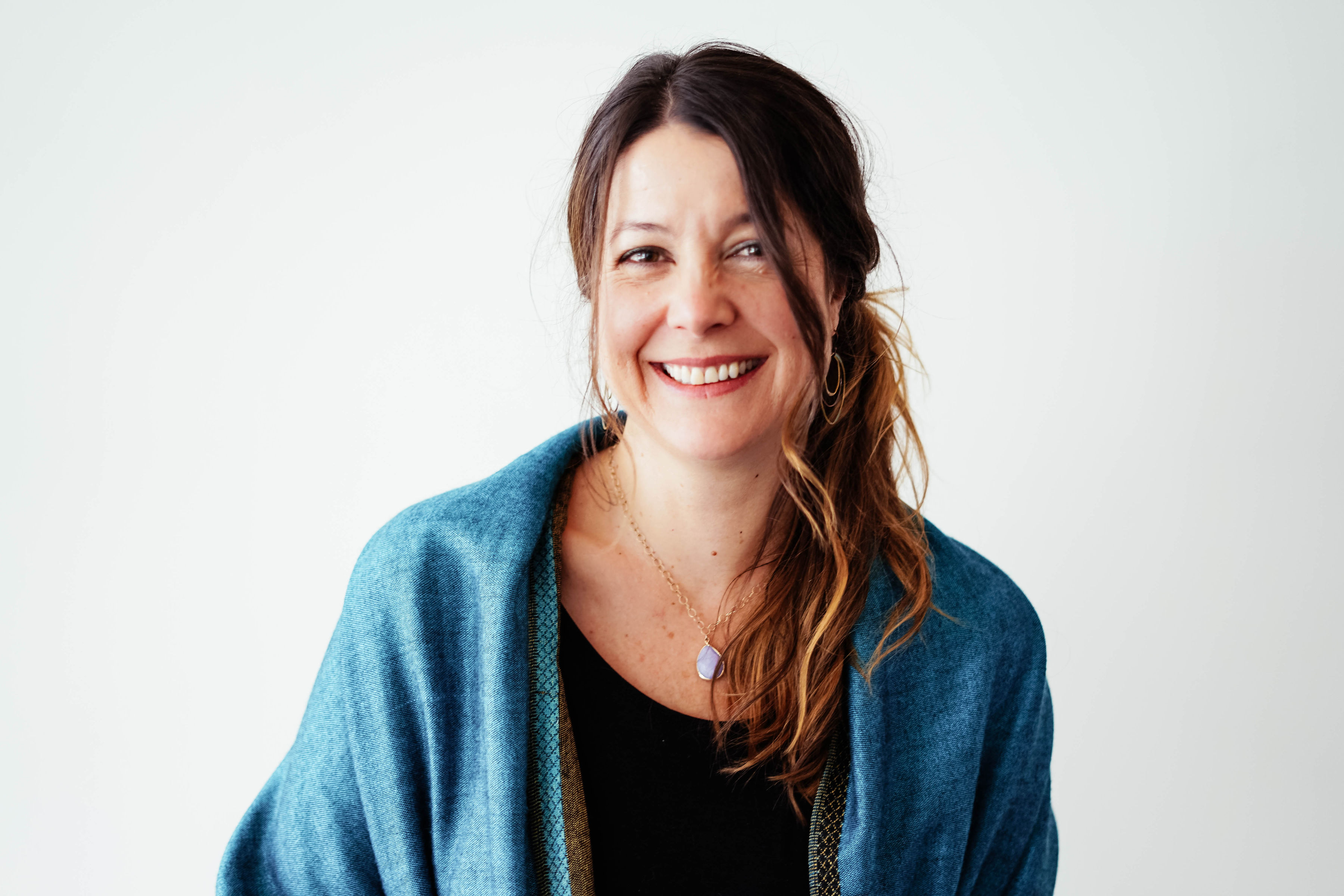
Natalie Biniasz
Natalie Biniasz is an embodiment guide, certified coach, and yoga teacher who helps people reconnect with their bodies as a source of wisdom, clarity, and sustainable wellbeing. With 16 years of experience working at the intersection of nervous system regulation, movement, and self-trust, Natalie supports clients in coming home to themselves - mentally, emotionally, and physically - so they can live and lead with greater presence and ease. Her work is rooted in the belief that health is not something to optimize, but a relationship to tend.
Subscribe
Scaling a Business: What Growth Means for Your Wealth
At some point, a growing business changes the job of the person who built it. The founder who once knew every customer is now managing leaders. Decisions that happened across a desk move through several layers. A new office, outside investor, or senior hire changes the business and the founder’s place within it.
Read Now >>
Get Paid to Go to School: If Only it Were That Easy
Millions of kids growing up around the U.S. dream of becoming college athletes. For most, this is merely a dream. I was fortunate enough to be able to live out this dream. Two of my favorite things in the world are sports and numbers so I found some statistics about college athletics provided by the National Collegiate Athletic Association (NCAA).
Read Now >>
A Second Opinion on Your Portfolio
Most investors know whether their portfolio is up or down. Fewer know exactly what they own, why they own it, what they are paying, where risk is concentrated, or whether the portfolio still fits what they need from their money today.
Read Now >>
